Northern Bobwhite Diet
- Melissa Feudi
-
February 03, 2026
-
3362 words
-
19 minutes
Ideal Year-Round Diet and Habitat Support for Northern Bobwhite (Colinus virginianus)
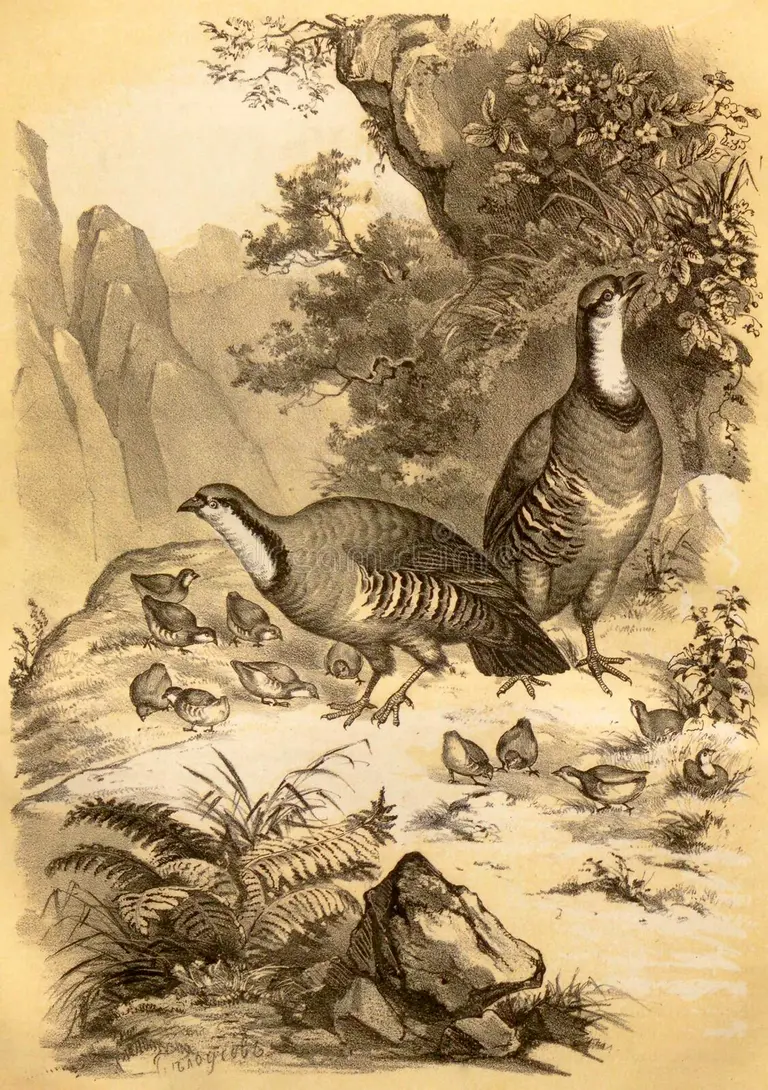
Northern bobwhite are ground-dwelling quail that historically ranged across Long Island but have declined due to habitat loss. In wild (managed park) settings on Long Island, bobwhites need a year-round supply of diverse foods and cover. Their diet shifts seasonally and by age – chicks eat mostly invertebrates for protein, while adults consume mainly plant seeds and fruits, supplemented by insects. Below is a detailed seasonal breakdown of natural foods (seeds, grasses, berries, insects, etc.), plus recommendations on planting and habitat management to sustain quail.
Spring
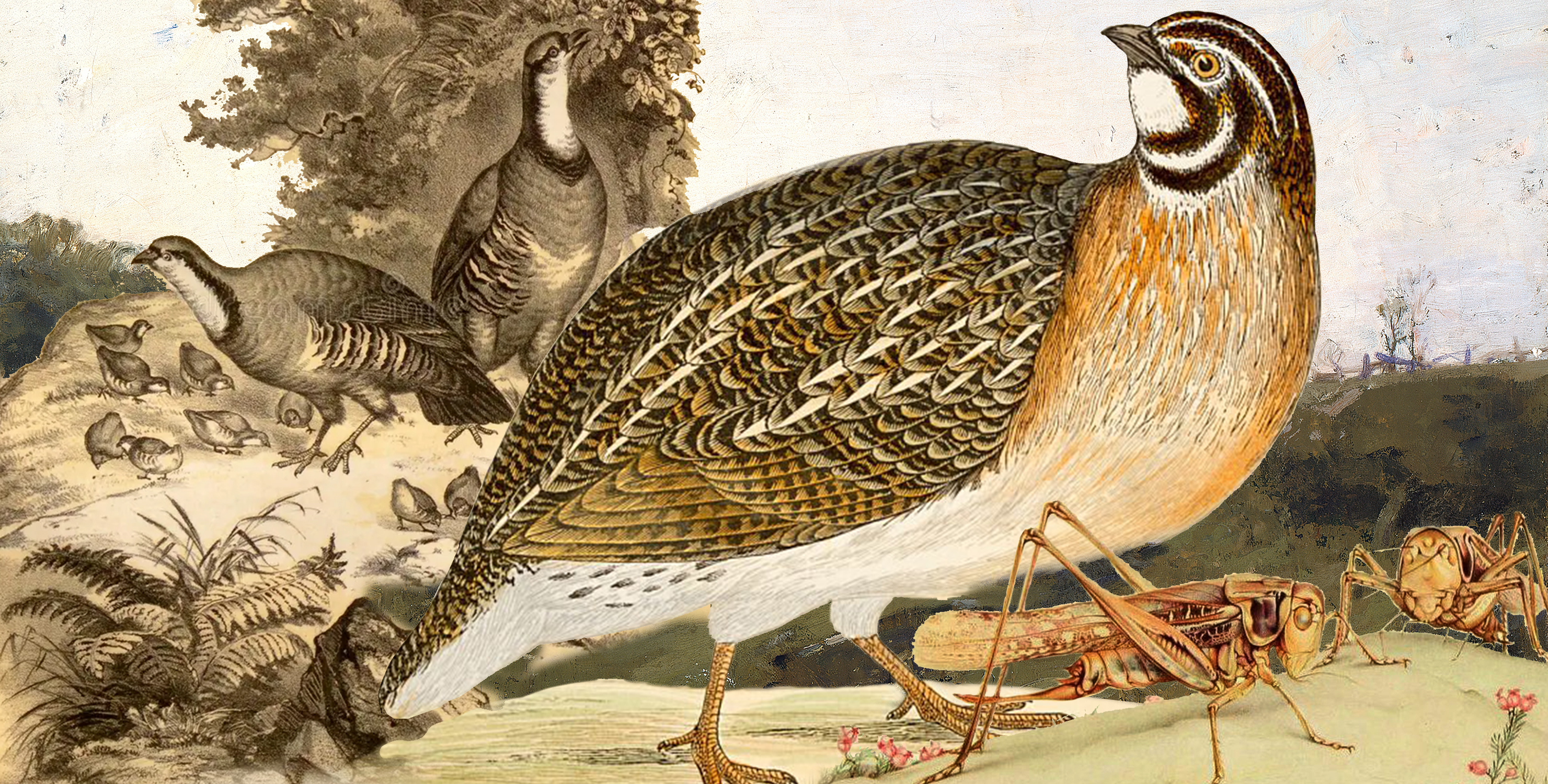
In spring, bobwhites shift to fresh green vegetation and abundant insects. As plants break dormancy, they eat green leaves, shoots and buds of grasses and broadleaf forbs. Common spring foods include tender shoots of native grasses (e.g. little bluestem, switchgrass) and broadleaf herbs (clovers, ragweed, mustard, etc.), which provide vitamins and moisture. Insects become critical in spring: chicks and hens especially eat protein-rich invertebrates (grasshoppers, crickets, caterpillars, leafhoppers, beetles, spiders, ants, snails) almost exclusively for the first weeks of life. (Adult males take far fewer insects.) Shrubby buds and early berries (e.g. emerging wild grape and dogwood flowers) also supplement spring diet. Key points for spring:
- Green plant matter (leaves and buds of forbs and grasses) increases in diet.
- Insects dominate broods – chicks up to ~6–8 weeks old subsist nearly entirely on insects.
- Adult hens still take ~20% insects in spring/summer.
- Early seeds (e.g. clover, ragweed sprouting, partridge pea flowers) begin to appear but are less abundant until summer.
Summer
Summer diets include mature grass and weed seeds, continuing green browse, berries, and abundant insects. As grasses and forbs set seed, quail eat grass seeds (panicgrasses, foxtails, wild sunflowers), and seeds of weedy summer plants (ragweed, smartweeds, panicgrass, pigweed, partridge pea). Summer fruits become available: blackberries and raspberries ripen mid-summer, wild grapes and dogwood fruits (drupes) appear late summer, and other shrubs (e.g. bayberries, waxmyrtle) may bear. Insects remain plentiful; chicks and adults both feed heavily on grasshoppers, leafhoppers, beetles, caterpillars, ants and spiders throughout summer. Important summer foods include:
- Grasses and forbs: Seeds of panic grasses (e.g. Panicum spp.), foxtail (Setaria spp.), millet and switchgrass; seeds of sunflowers and other composites.
- Wildflowers and legumes: Seeds of native legumes (partridge pea Chamaecrista fasciculata, tick-trefoils Desmodium spp., lespedezas) and forbs (beggar’s ticks Bidens spp., purslane, smartweeds).
- Berries: Raspberries, blackberries, dewberries (Rubus spp.) mid-summer; grapes (Vitis spp.) and dogwood/elderberry fruits by late summer.
- Insects: Continued heavy reliance on grasshoppers, crickets, leafhoppers, beetles (ground and potato beetles), caterpillars and spiders.
Fall
Fall diets emphasize high-energy seeds and fruits to build fat reserves for winter. Mature weed seeds dominate: ragweeds, smartweeds (Polygonum), foxtail grasses, panicgrasses, crabgrass, beggar’s ticks, pigweeds and sunflowers are heavily eaten. Legume and forb seeds (partridge pea, clovers, tick-trefoil, Korean lespedeza) are important, as are mast and fruits. Many shrubs and trees fruit in fall: acorns from oaks, pine and cedar seeds, dogwood berries, bayberries (Myrica), and sumac drupes. Late-season berries and persimmons (if present) provide sugars. By fall, insect availability declines, so plant foods take over. Key fall items include:
- Weed and grass seeds: Ambrosia (ragweed), crabgrass, panicgrasses, foxtails, horseweed, and introduced millets or waste grain (if nearby).
- Legume seeds: Wild clovers, tick-trefoils, lespedezas, cowpeas, partridge pea (many legumes persist into fall).
- Wild fruits and mast: Blackberries/raspberries (late fruit may linger), grapes, bayberry, hackberry, honeysuckle, rose hips, dogwood berries, and acorns or beechnuts.
- Acorns/Pine Seed: Persistent in October-November; pine seeds if pines are present (e.g. in mixed oak-pine woods).
- Insects: Opportunistic leftover insects (grasshoppers, beetles) early fall, but greatly reduced by late fall.
Winter
In winter, bobwhites subsist almost entirely on dry seeds and waste grains, supplemented by any remaining fruits and mast. As snow covers the ground, quail seek residual seeds on bare ground under shrubs or in hedgerows. Winter diet includes seeds of ragweed, foxtail, panicgrass, sumac berries, bayberry, and the dried heads of wildflowers (goldenrods, asters). Acorns and pine seeds remain important energy sources in early winter. Berries of dogwood, spicebush, and wild grape may be picked through snow. Water from snow and dew suffices; open ground patches (e.g. under evergreens) help access buried seeds. Key points:
- Seed mix: Primarily the accumulated weed and grass seeds from fall (ragweed, panicgrass, smartweed).
- Mast and berries: Acorns, pine/cedar seeds, bayberry and sumac drupes, dogwood and spicebush berries if any remain.
- Green browse: Minimal, but any evergreen needles or browse might be eaten if accessible.
- Low insects: Very few insects are consumed in winter.
Overall, bobwhites exploit whatever seeds and fruits are available under winter cover. Supplemental food plots (sorghum, millet) can help in harsh winters, but these are management aids rather than “wild” foods.
Native Food Plants for Bobwhites
A variety of native plants produce seeds, nuts, or fruits that bobwhites eat. Below is a sample of beneficial species (grasses, forbs, shrubs, trees) in the Oyster Bay region. These plants provide food (seeds/berries/green parts) and/or insect habitat:
Plant (Common Name) | Plant Type | Food Source | Season(s) Available |
|---|---|---|---|
Little bluestem (Schizachyrium scoparium) | Native warm-season grass | Seeds, nesting cover | Late summer – fall (seeds) |
Switchgrass (Panicum virgatum) | Native grass | Seeds | Fall – winter |
Panicgrass (Dichanthelium spp.) | Native grass family | Seeds | Summer – fall |
Foxtail grass (Setaria spp.) | Native/exotic grass | Seeds | Summer – fall |
Sunflower (Helianthus annuus and H. decapetalus) | Native wildflower | Seeds, early insect blooms | Summer – fall |
Ragweed (Ambrosia artemisiifolia) | Native annual forb | Seeds (high fat/protein) | Fall – winter |
Partridge Pea (Chamaecrista fasciculata) | Native annual forb (legume) | Seeds | Late summer – fall |
Tick-Trefoil (Desmodium spp.) | Native perennial legume | Seeds | Summer – fall |
Wild Indigo (Baptisia tinctoria) | Native perennial legume | Seeds (pods) | Spring – summer (bloom), seed late summer |
Clovers (Trifolium spp.) | Native/exotic legumes | Seeds, green leaves | Spring – fall |
Beggar’s Ticks (Bidens spp.) | Native annual forb | Seeds | Summer – fall |
Smartweed/Wild Buckwheat (Polygonum spp.) | Native annual forb | Seeds | Late summer – fall |
Goldenrod (Solidago spp.) | Native forb | Seeds, insects (pollinator) | Fall (bloom for insects) |
Asters (Symphyotrichum spp.) | Native fall flower | Seeds, insect attractor | Fall (bloom) |
Blackberry (Rubus allegheniensis) | Native shrub | Berries | Summer (mid-summer fruit) |
Raspberry (Rubus strigosus) | Native shrub | Berries | Summer (early fruit) |
Dewberry / Brambles (Rubus hispidus) | Native groundvine | Berries (later fruit) | Late summer – fall |
Highbush Cranberry (Viburnum trilobum) | Native shrub | Berries | Fall |
Bayberry (Myrica pensylvanica) | Native shrub | Berries (pruinose drupes) | Winter – early spring |
Dogwood (Cornus florida, C. amomum) | Native shrub/small tree | Berries (drupes) | Fall (late) |
Spicebush (Lindera benzoin) | Native shrub | Berries (drupes) | Fall |
Sumac (Rhus glabra) | Native shrub | Berries (drupes) | Fall – winter |
Wild Grape (Vitis riparia, V. vulpina) | Native vine | Berries | Late summer – fall |
Eastern Red Cedar (Juniperus virginiana) | Native tree | Cones/berries | Winter (cones) |
Oak (Quercus spp., white/red oak group) | Native trees | Acorns (hard mast) | Fall – winter |
American Beech (Fagus grandifolia) | Native tree | Beechnuts | Fall |
American Holly (Ilex opaca) | Native shrub | Berries (if winter) | Winter (late) |
Persimmon (Diospyros virginiana) | Native tree/shrub | Fruit | Fall (if present) |
Mullein / Lamb’s-quarters (*Verbascum thapsus, Chenopodium album) | Exotic weed | Seeds | Summer – fall |
Milkweed (Asclepias syriaca) | Native forb | Pods/seeds (forbs) | Fall (dried pods) |
Table: Selected native plants providing food (seeds, berries, foliage) or insect habitat for bobwhites.
Invertebrate Prey (Insects, etc.)
Northern bobwhites eat a wide range of insects and other arthropods, especially during spring–summer brood season. Important prey categories include: grasshoppers and crickets (Orthoptera), leafhoppers and true bugs (Hemiptera), beetles (Coleoptera) – e.g. ground beetles and ladybugs – caterpillars (Lepidoptera larvae), ants (Formicidae), spiders (Araneae), mosquitoes/fl ies (Diptera), and snails/slugs (Mollusca). For example, studies show bobwhite broods strongly prefer grasshoppers, spiders, true bugs and caterpillars; adult hens consume insects largely for protein and molt needs. To ensure prey abundance, habitat should include flowering native plants and undisturbed leaf litter (insectary and brood-rearing cover). (Avoid broad-spectrum insecticides, as chicks rely “almost exclusively” on insects early on.)
Life-Stage Diet Differences
Bobwhite diet shifts with age. Chicks (hatchlings to ~6 weeks) are fed nearly 100% invertebrates by their parents – mostly insects high in protein. This rapid growth phase demands caterpillars, grasshoppers, etc. Juvenile quail continue to eat ~85% animal matter (insects) through 2–3 weeks, gradually incorporating seeds as they mature. Adult quail consume ~85% vegetation (seeds, fruits, buds) and ~15% animal matter. Breeding hens increase insect intake (up to ~20–30% of diet) in spring/summer for egg production. By fall, all adults rely mostly on seeds and nuts.
Habitat Planting and Insect Management
To maintain food year-round, plantings and management should create diverse, native-dominated habitat mosaics with abundant seed and insect sources. Key recommendations include:
- Forb-rich meadows: Establish native wildflower and forb mix (75–85% forbs) with staggered bloom times to provide seeds and insect forage from late spring through fall. Include species like goldenrod, asters, sunflowers, tickseed, milkweed, etc. These attract pollinators/insects and produce seeds for fall/winter feeding.
- Native warm-season grasses: Intermix bunchgrasses (little bluestem, switchgrass, Indiangrass) for nesting cover at base. Prefer sparse stands (avoid dense mats) to allow bare ground beneath. Forage grasses (foxtail, panicgrass) can be allowed to seed naturally.
- Fruit-bearing shrubs: Plant or preserve berry-producing shrubs along edges and thickets: highbush blueberry, blackberries, raspberries, dogwood, bayberry, spicebush, sumac, hawthorn, etc. Even non-native but wildlife-friendly shrubs (e.g. native dogwood, plum) may be used. These provide summer/fall fruits and winter berry caches.
- Woody cover and corridors: Maintain brushy thickets (3–6 ft tall) for loafing/escape cover. Examples: dense patches of blackberry, multiflora rose, plum, sumac, wax myrtle, greenbrier, wild grape, cedar rows and young pines. Leave irregular hedgerows or brush piles to connect feeding and nesting areas. Travel lanes through cover are vital.
- Bare ground and field borders: Create patches of bare or lightly vegetated ground (via strip disking or mowing) amid cover, as quail need to scratch and dust bathe. Disking field edges in late winter/early spring encourages weeds (ragweed, fleabane, croton, etc) that produce seed and attract insects. Even 10–20 ft wide strips every few years can boost food plants.
- Avoid insecticides: Refrain from broad-spectrum insecticide/herbicide use over habitat. Chicks require insects, and herbicides diminish forb diversity. If weed control is needed, use selective methods (spot-treat invasives, mow after seed set) so native forbs and insects persist. Planting pollinator-friendly species also boosts insect prey.
- Food plots (if used): In low-food years, supplemental plots of milo/sorghum, grains or native seed mixes (partridge pea, milo, sunflowers, native legumes) can help survival, but natural seed habitat should be the primary goal.
Together, these plantings ensure quail have constant access to seeds, berries and insects. Native species are prioritized because they bloom and set seed without fertilization, and support local insect communities.
Conservation and Habitat Management Strategies
To sustain bobwhites long-term, integrate feeding needs with cover and breeding habitat across the park:
- Maintain early-successional mosaic: Bobwhites require a mix of grasses/forbs, shrubs, and bare ground within a ~20–40 acre area. Manage fields and edges to keep them in young successional stages (through prescribed burns, rotational mowing, or clear-cuts), preventing forest overgrowth. Small patch burns or mowings every 1–3 years favor herbaceous regrowth.
- Nesting and brood cover: Provide thick cover (clumps of grasses/forbs) with overhead protection. Quail nest at bases of bunchgrasses or brush, so maintain 6–18 in nesting cover. For brood-rearing, ensure areas with 60–70% bare ground and abundant low-growing vegetation/insects. Field borders with legume mixes or fallow strips serve as brood habitat.
- Winter loafing cover: Ensure dense woody thickets (see above) near feeding areas so birds can escape snow/drift. Shrubs of 3–6 ft height (e.g. wild grape, greenbrier, honeysuckle, plum, sumac, dogwood) are critical winter refuge. Even ungrazed hayfield corners or brush piles provide needed thermal cover.
- Landscaping edges and corridors: Instead of sharp woodlot-field edges, plant transitional hedgerows and brushy travel lanes. Connectivity among foraging, roosting, and nesting sites keeps coveys together and reduces predation risk. Aim for irregular field edges (meandering rather than straight) to increase usable edge habitat.
- Water and minerals: Though bobwhites get moisture from food, providing a shallow water source or salt/mineral licks can enhance condition.
- Monitoring and adaptive management: Regularly assess food availability (weed and insect abundance) and cover structure. If any component is lacking (e.g. too much fescue grass, invasive shrubs), adjust management. Seed native mixes from local sources, and consider partnering with wildlife agencies for guidance and assistance.
In summary, diversify plantings and management to create year-round food and cover. The key is having forbs and grasses for seeds/insects, and woody cover for protection, all in close proximity. Proper management (e.g. prescribed fire, controlled mowing, minimal herbicide use) will maintain this balance. With such habitat, Northern bobwhites can find the seeds, insects and shelter needed to feed, breed, and persist in an Oyster Bay park setting.
Sources: Information is drawn from regional and national bobwhite ecology and management guides (e.g. Cornell Lab All About Birds, NRCS habitat guides, Quail Forever journal, Missouri Dept. Conservation, and Maryland Univ. Extension) and emphasizes native Northeastern plant/insect communities. Each food item and recommendation is supported by these sources as noted.
Citations:
Northern Bobwhite Life History, All About Birds, Cornell Lab of Ornithology
https://www.allaboutbirds.org/guide/Northern_Bobwhite/lifehistory
Northern Bobwhite Life History, All About Birds, Cornell Lab of Ornithology
https://www.allaboutbirds.org/guide/Northern_Bobwhite/lifehistory
Northern Bobwhite | Missouri Department of Conservation
https://mdc.mo.gov/discover-nature/field-guide/northern-bobwhite
Northern Bobwhite Life History, All About Birds, Cornell Lab of Ornithology
https://www.allaboutbirds.org/guide/Northern_Bobwhite/lifehistory
https://nrcspad.sc.egov.usda.gov/DistributionCenter/pdf.aspx?productID=430
Northern Bobwhite | Missouri Department of Conservation
https://mdc.mo.gov/discover-nature/field-guide/northern-bobwhite
https://nrcspad.sc.egov.usda.gov/DistributionCenter/pdf.aspx?productID=430
Northern Bobwhite Life History, All About Birds, Cornell Lab of Ornithology
https://www.allaboutbirds.org/guide/Northern_Bobwhite/lifehistory
https://nrcspad.sc.egov.usda.gov/DistributionCenter/pdf.aspx?productID=430
https://nrcspad.sc.egov.usda.gov/DistributionCenter/pdf.aspx?productID=430
https://nrcspad.sc.egov.usda.gov/DistributionCenter/pdf.aspx?productID=430
https://nrcspad.sc.egov.usda.gov/DistributionCenter/pdf.aspx?productID=430
https://nrcspad.sc.egov.usda.gov/DistributionCenter/pdf.aspx?productID=430
https://nrcspad.sc.egov.usda.gov/DistributionCenter/pdf.aspx?productID=430
https://nrcspad.sc.egov.usda.gov/DistributionCenter/pdf.aspx?productID=430
Colinus virginianus, northern bobwhite
https://www.fs.usda.gov/database/feis/animals/bird/covi/all.pdf
https://nrcspad.sc.egov.usda.gov/DistributionCenter/pdf.aspx?productID=430
https://nrcspad.sc.egov.usda.gov/DistributionCenter/pdf.aspx?productID=430
https://nrcspad.sc.egov.usda.gov/DistributionCenter/pdf.aspx?productID=430
Northern Bobwhite | Missouri Department of Conservation
https://mdc.mo.gov/discover-nature/field-guide/northern-bobwhite
https://nrcspad.sc.egov.usda.gov/DistributionCenter/pdf.aspx?productID=430
All Sources
https://nrcspad.sc.egov.usda.gov/DistributionCenter/pdf.aspx?productID=430