Invasive Plants and Ticks
- Melissa Feudi
-
April 12, 2026
-
868 words
-
5 minutes
Invasive Plants Increase Tick Populations and Tick Disease
Invasive plants are exotic plants that damage the ecosystem, and apart of that damage is tick abundance and tick-borne disease. Many Invasive plants contribute to our tick problem in different ways. To restore balance and reduce disease, invasive plants must be managed.
How invasive plants contribute to tick abundance and disease
By abundance:
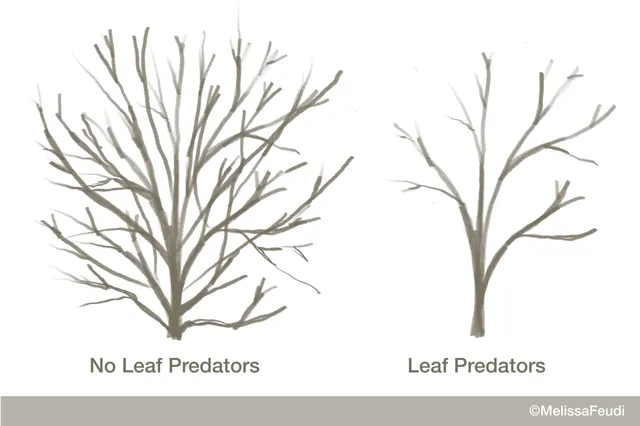
The invasive plant overloads the ecosystem in two ways: it lacks predators to thin its branches, and its shallow roots help it quickly colonize and take over larger areas. This outcompetes the usual checks an balances that native plants provide.
For birds and spiders:
Most caterpillars in North America can only eat North American plants and have very specialized diets. Invasive plants don't have the caterpillars needed to have natural open branches. Birds have a hard time navigating some of these tight dense places. This compounding issue multiplies.
Ticks are tiny and low in calories and not enough of a draw for a bird or spider to eat on their own. Ticks are usually eaten as a side dish to the main meal which is usually a big fat caterpillar. Invasive plants are like empty grocery stores for these birds and spiders, without caterpillars to draw them in these predators pick different areas to hunt.
Protecting Mice:
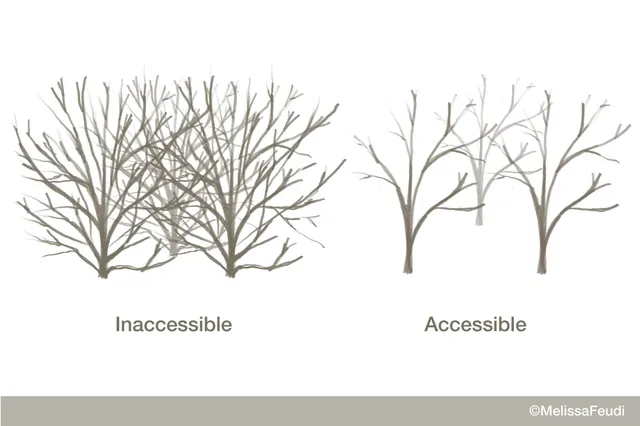
Invasive thickets are inaccessible to most predator species and often blanket the forest floor where most owls and foxes hunt. Mice are not hunted in the thicket the same way ticks are not hunting in the thicket - because leaf predators like caterpillars do not thin the thicket. This creates a thicket that mouse predators can not reach and actually protects the mice.
Over-population contributes to dirty disease vectors:
Most overpopulations of any organism can cause disease. When natural predators of ticks or natural predators of tick-hosts are lacking from the environment an infestation can occur.
Then the ticks themselves biologically compensate for natural predators like birds, spiders and even fungi by having egg sacs that can contain 1,000 - 10,000 tick eggs. They send out of a lot of ticks because only a small portion should survive, however invasive plants protect both the ticks and the hosts from predation.
What Plants Contribute to Tick Disease:
Japanese Barberry
Berberis thunbergii
Lyme correlation: Strongest, best-documented link. More barberry means more Lyme-carrying
ticks.
Tick population: Sharply higher numbers of blacklegged (deer) ticks, with a higher share
infected.
How it works: Dense thorny thickets trap humidity near the ground — the cool, moist cover
ticks need — and shelter the white-footed mice that infect them.
References: Williams & Ward, Environmental Entomology; Linske et al.; Pitt et al. (Ecology,
2023); CT Agricultural Experiment Station.
Wineberry
Rubus phoenicolasius
Lyme correlation: Directly studied. A 2025 peer-reviewed study found wineberry-invaded areas had higher tick abundance and disease-pathogen prevalence overall.
Tick population: Higher across invaded plots as a whole. Mouse activity and pathogen
prevalence concentrate right in the wineberry; tick numbers rise at the broader plot level.
How it works: Forms dense, low thickets that draw in white-footed mice (raising the share of ticks carrying Lyme and related pathogens), while the invaded area overall carries more ticks than comparable native-shrub forest. The native it displaces (e.g., spicebush) grows taller and more open, with less cover at the ground level where ticks wait for a host.
References: Ticks and Tick-borne Diseases (2025), wineberry tick-borne disease study (SE
Pennsylvania); Lower Hudson PRISM.
Bush Honeysuckle
Lonicera maackii, L. morrowii
Lyme correlation: Among the earliest invasives directly tied to higher tick abundance in field surveys.
Tick population: Elevated tick numbers where it forms dense stands.
How it works: Draws deer in to browse and gives mice dense low cover, concentrating tick
hosts and the Lyme reservoir together.
References: Lubelczyk et al. (2004); Allan et al. (2010).
Multiflora Rose
Rosa multiflora
Lyme correlation: Associated with elevated tick presence; evidence weaker than barberry.
Tick population: Higher tick presence as part of a dense invasive understory.How it works: Thick thorny thickets raise ground-level humidity and provide cover for mice and deer.
References: Adalsteinsson et al. (2018), Ecosphere; Allan et al. (2010).
Garlic Mustard
Alliaria petiolata
Lyme correlation: Plausible but not confirmed by strong field tick counts. Works through soil, not thickets.
Tick population: May raise tick survival indirectly by removing a natural tick-killing soil fungus.
How it works: Releases compounds that suppress entomopathogenic fungi (which infect and kill ticks). Removing the plant restores those fungi within weeks.
References: Invasive Plant Science and Management (2012); Cary Institute disease-ecology
work.
English Ivy
Hedera helix
Lyme correlation: No tick-specific field study, but the mechanism is the strongest of the inferred cases — it runs straight through mice, the Lyme reservoir.
Tick population: Likely contributor. Dense year-round cover shelters white-footed mice and
voles, the small mammals that feed ticks and infect them.
How it works: A thick evergreen ground cover that builds a cool, humid mat mice and voles use as protected runways and nesting cover - documented by extension sources to give rodents undisturbed places to feed. More sheltered mice means more infected ticks, the same chain that makes barberry dangerous. It also supports almost no native insect life. (Final tick step is inferred from habitat, not a counted result.)
References: Penn State Extension; Yale Nature Walk; University of Maryland Extensi